
Course : A Class-Information Technology (IT) Applications
T104169 - Panagiotis Karageorgos - Stefanos Papalexis - Teri Solomonides
Course Description
The course is divided into four Units (Topics): (a) Hardware Software and Applications, (b) Programming Environments - Application Development, (c) Communication and Internet and (d) Collaboration and Internet Security. Several concepts appear in more than one Module but in such a way that knowledge is gradually and complementarily constructed with consistency and coherence. Happy learning !!
Hardware
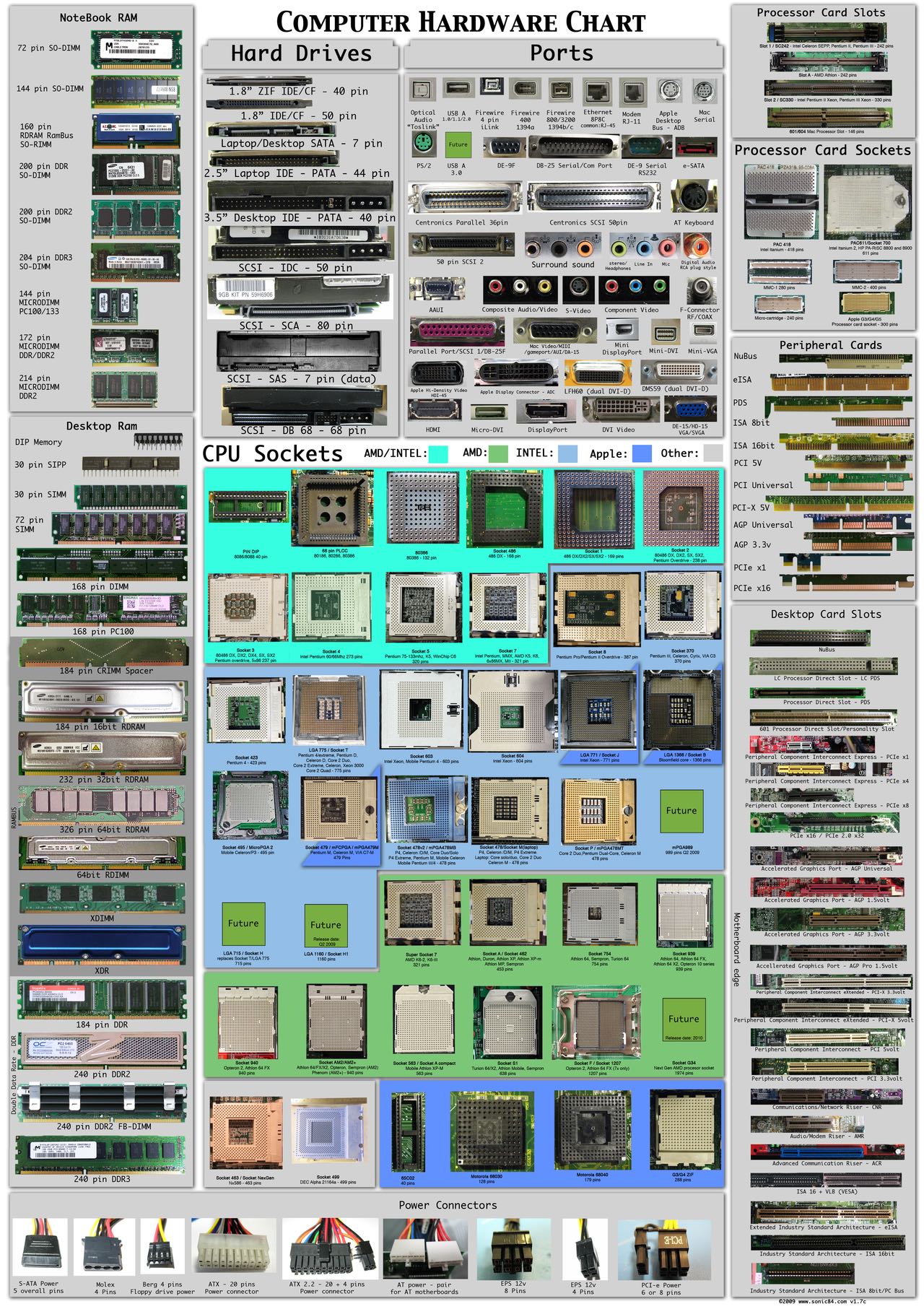
Hardware refers to the physical elements of a computer. This is also sometime called the machinery or the equipment of the computer. Examples of hardware in a computer are the keyboard, the monitor, the mouse and the central processing unit. However, most of a computer's hardware cannot be seen; in other words, it is not an external element of the computer, but rather an internal one, surrounded by the computer's casing (tower). A computer's hardware is comprised of many different parts, but perhaps the most important of these is the motherboard. The motherboard is made up of even more parts that power and control the computer.
In contrast to software, hardware is a physical entity. Hardware and software are interconnected, without software, the hardware of a computer would have no function. However, without the creation of hardware to perform tasks directed by software via the central processing unit, software would be useless.
Hardware is limited to specifically designed tasks that are, taken independently, very simple. Software implements algorithms (problem solutions) that allow the computer to complete much more complex tasks.
Software
Software, commonly known as programs or apps, consists of all the instructions that tell the hardware how to perform a task. These instructions come from a software developer in the form that will be accepted by the platform (operating system + CPU) that they are based on. For example, a program that is designed for the Windows operating system will only work for that specific operating system. Compatibility of software will vary as the design of the software and the operating system differ. Software that is designed for Windows XP may experience a compatibility issue when running under Windows 2000 or NT.
Software is capable of performing many tasks, as opposed to hardware which can only perform mechanical tasks that they are designed for. Software provides the means for accomplishing many different tasks with the same basic hardware. Practical computer systems divide software systems into two major classes:
- System software: Helps run the computer hardware and computer system itself. System software includes operating systems, device drivers, diagnostic tools and more. System software is almost always pre-installed on your computer.
- Application software: Allows users to accomplish one or more tasks. It includes word processing, web browsing and almost any other task for which you might install software. (Some application software is pre-installed on most computer systems.)
Computer Networks
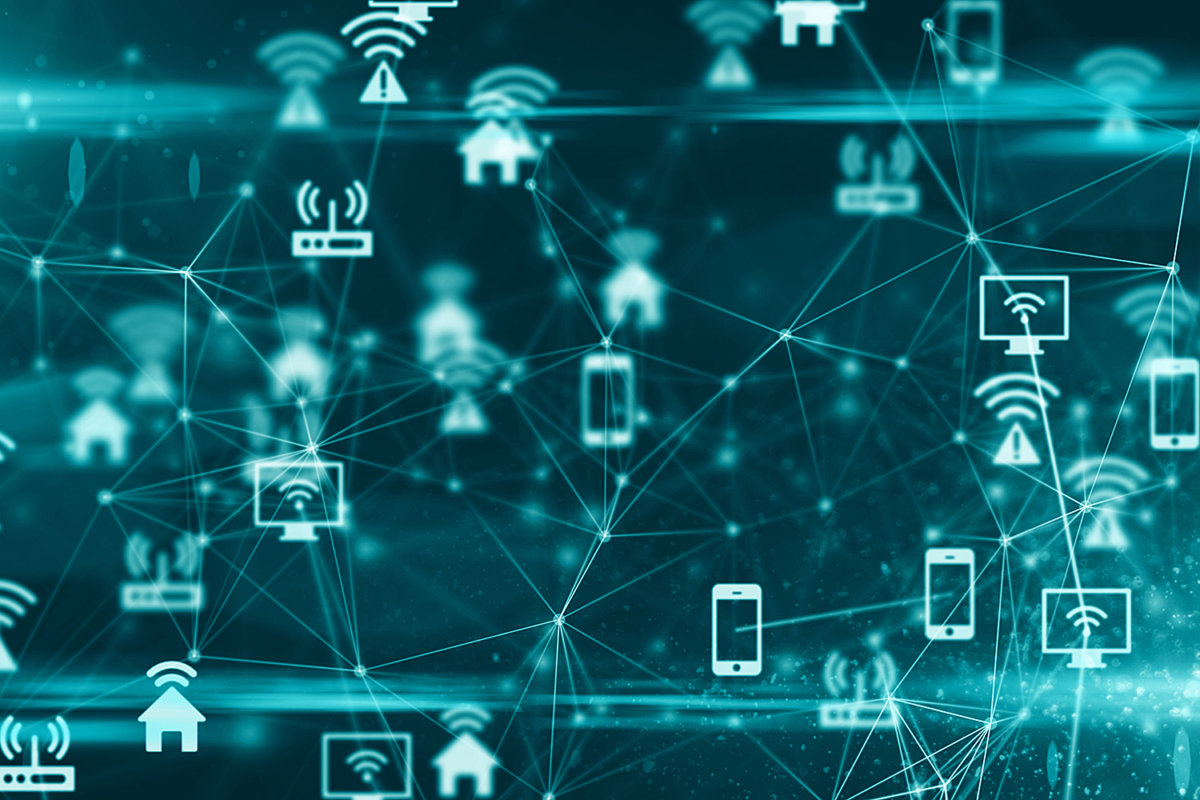
A computer network or data network is a telecommunications network which allows computers to exchange data. In computer networks, networked computing devices exchange data with each other using a data link. The connections between nodes are established using either cable media or wireless media. The best-known computer network is the INTERNET.
Computer networks support an enormous number of applications and services such as access to the World Wide Web (WWW),digital video,digital audio, shared use ofapplication and storage servers,printers, and fax machines, and use of e-mail and instant messaging applications as well as many others.
Internet
The Internet is the global system of interconnected computer networks that uses the Internet protocol suite (TCP/IP) to communicate between networks and devices. It is a network of networks that consists of private, public, academic, business, and government networks of local to global scope, linked by a broad array of electronic, wireless, and optical networking technologies. The Internet carries a vast range of information resources and services, such as the inter-linked hypertext documents and applications of the World Wide Web (WWW),e-mail, social networks and file sharing (ex. FTP).